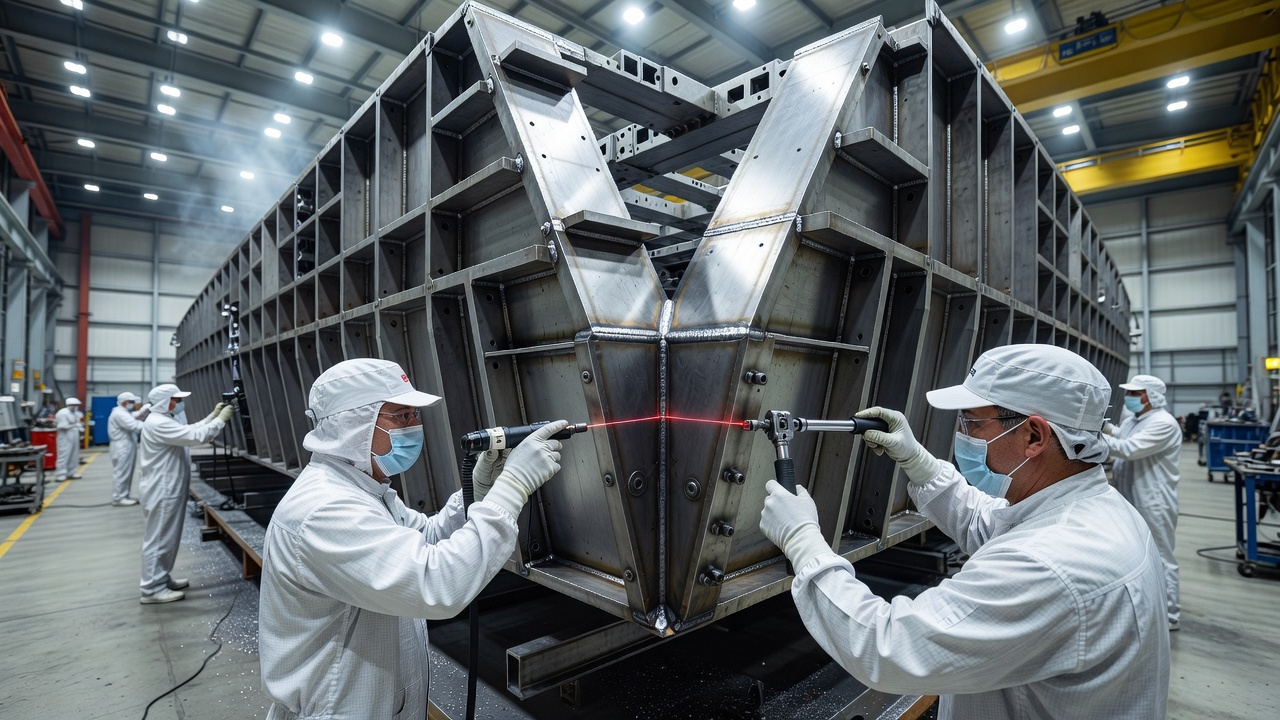
For over a century, shipbuilding has adhered to a rigid paradigm: a vessel is designed for a single specific purpose—be it high-speed Mediterranean day cruising, trans-oceanic exploration, or formal entertaining—and its structural architecture remains fixed for its entire operational lifecycle.
However, the emergence of carbon-composite locking systems, standardized power buses, and hydro-dynamic modular pods is fundamentally shattering this traditional design philosophy. Modern yacht owners no longer want to be constrained to a single hull capability.
"Modular naval architecture turns a single physical hull into an infinitely adaptable marine canvas. Swap out your helipad for a scientific lab deck in under 12 hours."
1. Structural Integrity & Titan-Lock Interfaces
The primary barrier to modular superyacht construction has historically been structural tension and torsional flexing in extreme ocean swells. At Viblycompass, our engineering teams pioneered the Titan-Lock Hydraulic System—a high-strength titanium interlocking interface that provides structural rigidity equal to single-block steel hulls.
2. Rapid Conversion Workflows
By standardizing deck connection pins and fluidic power conduits, shipyard crews can detach upper deck entertainment suites and replace them with polar research platforms, deep-sea submarine bays, or drone launch terminals overnight.
3. Lifecycle Value & Reduced Obsolescence
As technological capabilities and personal preferences evolve, owners can update individual modules without requiring complete vessel refits. This modular longevity ensures Viblycompass vessels preserve extraordinary market value over decades of operation.